Tree removal is sometimes unavoidable, especially when a tree becomes hazardous, diseased, or damaged beyond repair. While emergency situations require immediate action, many homeowners wonder if there is an ideal season for scheduled tree removal. Understanding the benefits of each season can help you make the right decision for your property and ensure the work is completed safely and efficiently.
Winter Is Often the Best Time
For many tree species, winter is considered the best season for tree removal because trees are dormant and have little to no foliage. This allows professionals to clearly evaluate the tree’s structure and safely remove branches with better visibility.
Frozen or firm ground can also reduce damage to lawns and landscaping during the removal process.
Spring Allows Early Hazard Removal
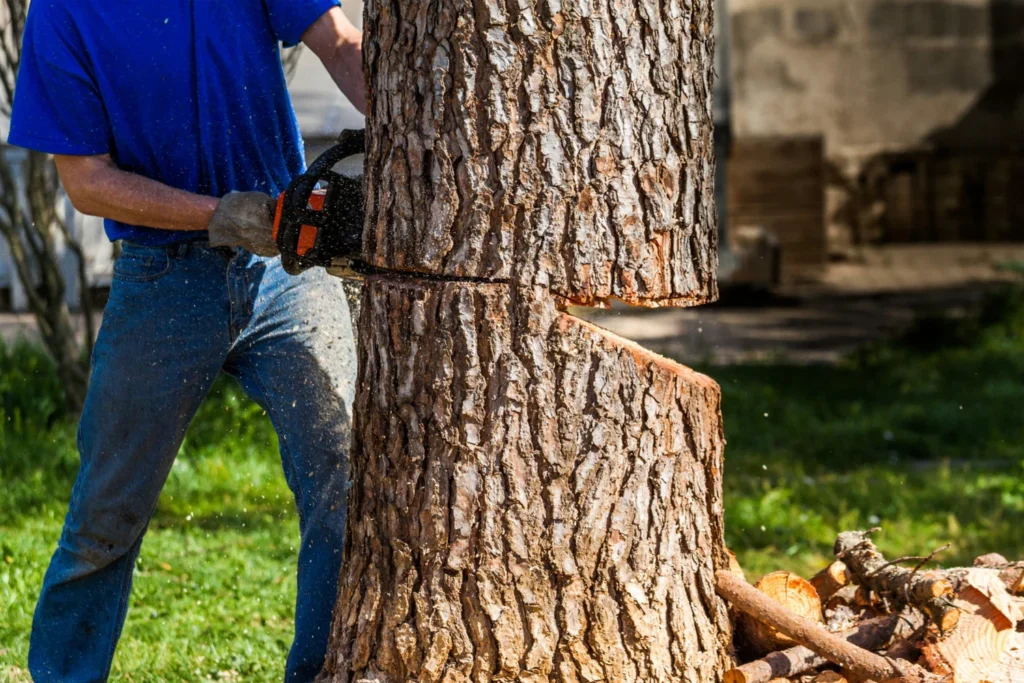
Spring is an excellent time to remove trees that were damaged during winter storms. It is also a good opportunity to eliminate dead or diseased trees before they begin growing again.
Removing hazardous trees in spring helps prepare your property for summer storms and outdoor activities.
Summer Improves Landscape Planning
Many homeowners choose summer tree removal while completing landscaping or home improvement projects. Removing unwanted trees creates space for:
- New gardens
- Patios
- Outdoor kitchens
- Lawn expansion
- New tree planting
Long daylight hours also allow projects to be completed efficiently.
Fall Prepares Your Property for Winter
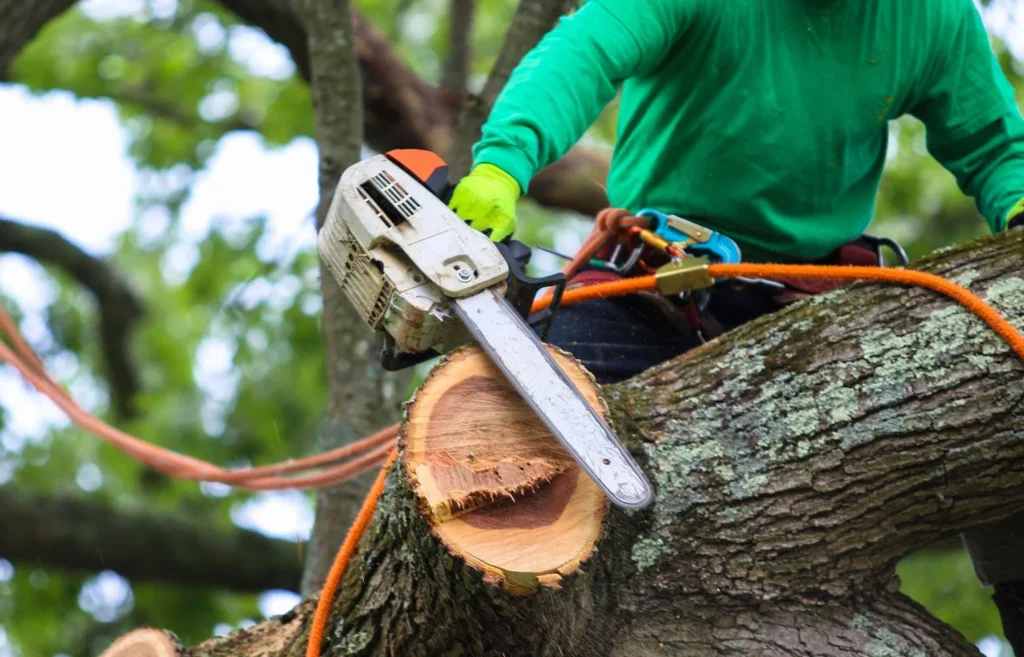
Autumn is one of the busiest seasons for tree maintenance. Removing weakened trees before snow, ice, and strong winds arrive helps reduce the risk of winter storm damage.
Fall inspections can also identify trees that may not survive harsh winter conditions.
Emergency Tree Removal Can Happen Anytime
Not all tree removals can wait for the ideal season. Immediate professional service is necessary if a tree:
- Is leaning dangerously
- Has fallen after a storm
- Has large cracked branches
- Is damaging a structure
- Is blocking a driveway or roadway
- Has severe root failure
Emergency tree removal protects both people and property from further damage.
Signs It’s Time to Remove a Tree
You should schedule a professional inspection if you notice:
- Dead branches throughout the canopy
- Mushrooms growing near the base
- Deep trunk cracks
- Hollow sections
- Sudden leaning
- Extensive insect damage
- Significant storm damage
These warning signs often indicate serious structural problems.
Why Professional Tree Removal Matters
Tree removal requires careful planning, specialized equipment, and experienced professionals. Large trees located near homes, utility lines, or neighboring properties must be removed using controlled techniques that protect surrounding structures and landscaping.
Professional crews also provide complete debris removal and can grind the remaining stump if requested.
Benefits of Scheduling Tree Removal
- Improves property safety
- Prevents storm-related damage
- Protects nearby structures
- Creates usable outdoor space
- Enhances curb appeal
- Reduces future maintenance costs
- Promotes a healthier landscape
Conclusion
Although winter is often the preferred season for scheduled tree removal, hazardous trees should be removed as soon as they become a safety risk, regardless of the time of year. Regular inspections and timely professional tree removal help protect your home, improve your landscape, and prevent costly emergencies while keeping your property safe throughout every season.