Trees are an important part of any landscape, but they can become dangerous when hidden structural problems go unnoticed. A tree that appears healthy may have internal decay, weakened roots, or damaged limbs that increase the risk of failure. Routine hazard tree inspections help identify these issues early, allowing property owners to take preventive action before serious damage occurs.
What Is a Hazard Tree Inspection?
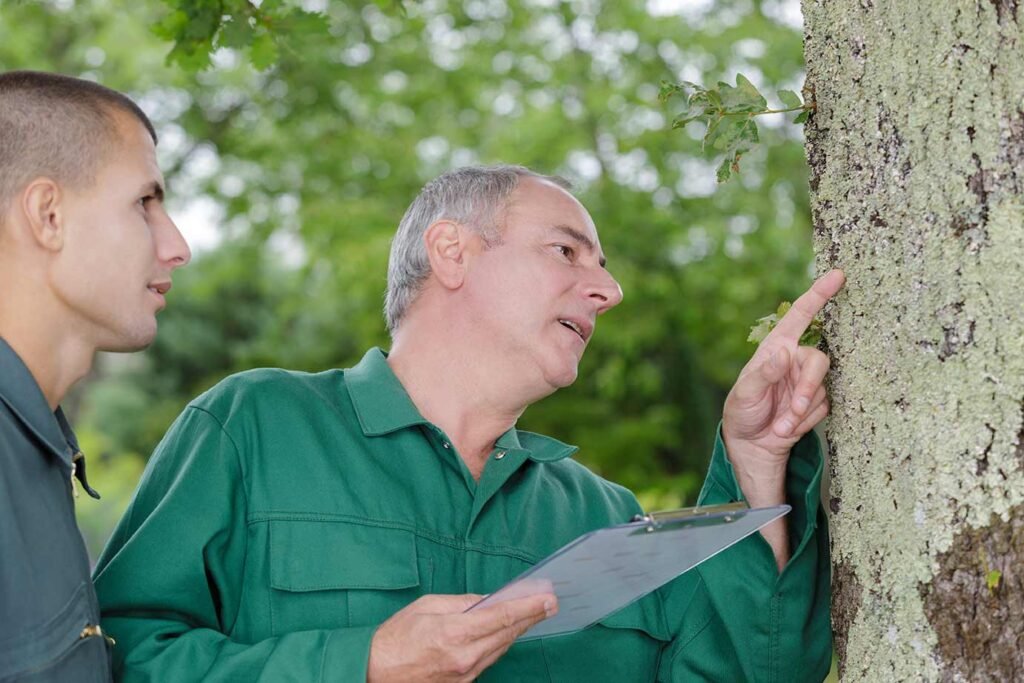
A hazard tree inspection is a professional evaluation of a tree’s health, structure, and stability. During the inspection, tree care specialists look for signs of disease, decay, storm damage, root problems, and other conditions that could make the tree unsafe.
Regular inspections help homeowners determine whether a tree needs pruning, cabling, treatment, or removal.
Detect Hidden Problems Early
Many serious tree issues begin inside the trunk or below the ground where they are difficult to see. Professional inspections can identify:
- Internal decay
- Weak branch attachments
- Cracked trunks
- Root damage
- Insect infestations
- Fungal diseases
Finding these problems early often prevents expensive emergency tree removal.
Improve Property Safety
Weak trees can fail without warning, especially during strong winds or heavy storms. Falling branches or collapsing trees can damage homes, vehicles, fences, and utility lines while creating serious safety hazards.
Routine inspections help eliminate these risks before accidents occur.
Protect Healthy Trees
Diseases and insect infestations can spread from one tree to another if left untreated. Identifying infected trees early allows professionals to recommend treatment or removal before nearby healthy trees are affected.
Preventive care helps maintain a healthier landscape.
Save Money on Future Repairs
Preventive maintenance is usually far less expensive than repairing damage caused by fallen trees or emergency removals.
Regular inspections may help avoid:
- Roof repairs
- Vehicle damage
- Fence replacement
- Sidewalk damage
- Emergency service costs
Early action protects both your property and your budget.
Prepare for Storm Season
Storms often expose weaknesses that have been developing for years. Scheduling a hazard tree inspection before storm season helps identify trees that may not withstand severe weather.
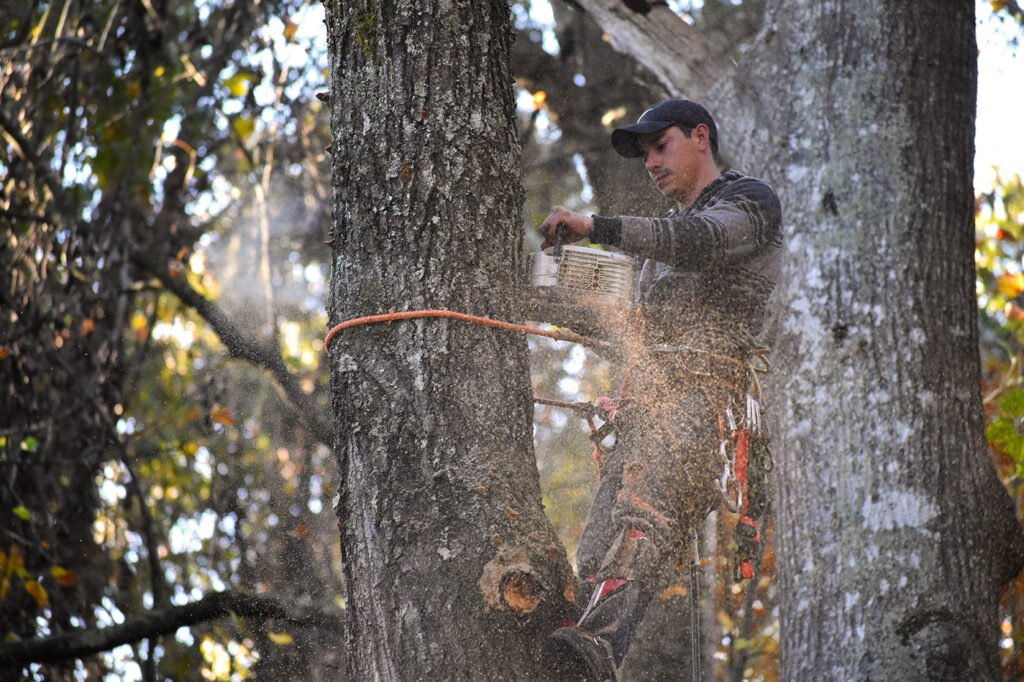
Removing hazardous limbs or stabilizing weakened trees can greatly reduce storm-related property damage.
Signs You Should Schedule an Inspection
Contact a tree professional if you notice:
- Dead branches
- Leaning trees
- Mushrooms near the base
- Large trunk cracks
- Hollow sections
- Exposed roots
- Sudden leaf loss
These warning signs may indicate structural issues that require immediate attention.
Why Hire Experienced Tree Professionals?
Hazard tree evaluations require knowledge of tree biology, structural integrity, and risk assessment. Experienced professionals can accurately determine whether a tree can be preserved or whether removal is the safest option.
Many companies also provide follow-up services such as pruning, tree removal, cabling, stump grinding, and emergency tree care to address any hazards discovered during the inspection.
Conclusion
Routine hazard tree inspections are one of the best ways to protect your property from unexpected tree failures. By identifying hidden structural problems, preventing storm damage, and improving tree health, regular evaluations help homeowners maintain a safer and more attractive landscape. Investing in preventive tree care today can save thousands of dollars in repairs while preserving the beauty and safety of your property.